

Choosing between the Callaway Chrome Soft and Supersoft can affect your game. These two balls sit at different price points and offer different performance traits. The Chrome Soft costs roughly double the Supersoft, but that price difference reflects differences in construction and technology. This comparison will help you decide which ball suits your swing speed and game.

Key Differences Between Chrome Soft and Supersoft
The Chrome Soft and Supersoft differ in several important ways. Understanding these differences will help you make the right choice for your game.
- Construction: The Chrome Soft uses a 3-piece design with a urethane cover. The Supersoft uses a 2-piece construction with a hybrid cover.
- Compression: The Chrome Soft has 81 compression while the Supersoft sits at 41 compression. Lower compression suits slower swing speeds.
- Cover Material: The Chrome Soft features a urethane cover that provides more spin and control. The Supersoft uses a hybrid cover that emphasizes distance and durability.
- Price: The Supersoft costs approximately half the price of the Chrome Soft, making it a value option.
- Target Player: The Chrome Soft targets mid-handicap players with moderate to fast swing speeds. The Supersoft suits high handicappers and players with slower swing speeds.
The construction differences explain much of the performance gap between these balls. The Chrome Soft’s urethane cover and additional layer provide more spin, especially around the greens. The Supersoft’s simpler construction makes it easier to manufacture and less expensive to buy.
Distance Performance: Callaway Chrome Soft Golf Balls vs Supersoft
Distance matters to most golfers. Testing shows clear differences between how these balls travel through the air and roll on the ground.
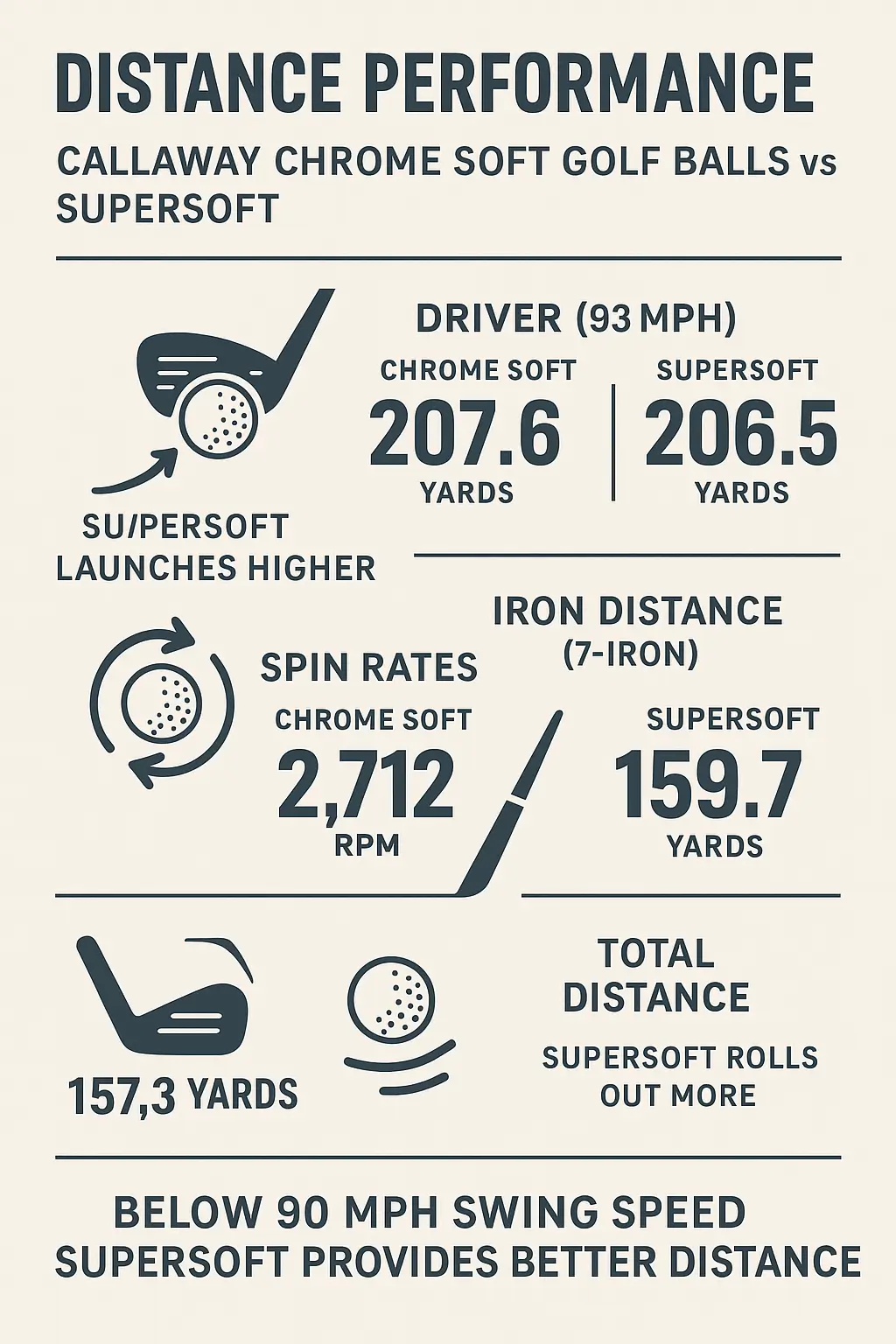
- Driver Performance: At 93mph swing speed, the Chrome Soft carries 207.6 yards while the Supersoft carries 206.5 yards. The difference is minimal in carry distance.
- Launch Characteristics: The Supersoft launches higher due to its lower compression. This helps players with slower swing speeds get the ball airborne.
- Spin Rates: The Supersoft produces lower spin off the driver (2,334 rpm at 93mph) compared to the Chrome Soft (2,712 rpm). Lower spin can mean more roll.
- Iron Distance: The Supersoft carries 159.7 yards with a 7-iron compared to 157.3 yards for the Chrome Soft. The reduced spin helps the Supersoft fly farther.
- Total Distance: The Supersoft tends to roll more after landing due to lower spin, which can add yards to your total distance.
For players with swing speeds below 90mph, the Supersoft provides better distance results. The low compression core compresses more easily, creating faster ball speeds. Players with faster swing speeds may not see the same benefit.
Spin and Control: How They Compare
Spin control separates premium balls from value balls. The difference between callaway chrome soft vs callaway supersoft is most obvious around the greens.
- Wedge Spin: The Chrome Soft produces 5,518 rpm on 40-yard pitch shots. The Supersoft generates 5,500 rpm, which is surprisingly close.
- Approach Shot Spin: With a 7-iron, the Chrome Soft spins at 4,356 rpm while the Supersoft spins at 3,881 rpm. This 475 rpm difference affects how balls land on greens.
- Cover Impact: The urethane cover on the Chrome Soft grabs grooves better than the hybrid cover on the Supersoft.
- Short Game Feel: The Chrome Soft provides more feedback on chips and pitches. The Supersoft feels slightly firmer around the greens.
- Stopping Power: The Chrome Soft stops faster on greens due to higher spin and steeper descent angles. The Supersoft tends to release more after landing.
The spin difference matters most for players who attack pins with mid to short irons. If you struggle to hold greens, the Chrome Soft offers an advantage. Players who often come up short might benefit from the Supersoft’s extra roll.
Feel and Feedback Comparison
Feel is subjective but important. Both balls have “soft” in the name, yet they feel different in several ways.
- Impact Sound: The Chrome Soft produces a muted sound off the clubface. The Supersoft creates a slightly firmer, clickier sound.
- Putting Feel: The Chrome Soft offers a softer feel on putts. The Supersoft feels more responsive but less plush.
- Compression Feel: The Supersoft feels extremely soft on full shots due to its 41 compression rating. The Chrome Soft feels more substantial.
- Feedback Quality: The Chrome Soft provides better feedback on mishits. You can tell where you struck the ball on the face.
- Consistency: The Chrome Soft maintains consistent feel across different temperatures. The Supersoft can feel firmer in cold weather.
Players who prefer a soft feel will like both balls, but the Supersoft takes softness to another level. Some players find the Supersoft too soft and prefer the Chrome Soft’s more balanced feel.
Durability and Value
Golf balls need to last more than one round. The construction affects how long each ball maintains its performance.
- Cover Durability: The Supersoft’s hybrid cover resists scuffing better than the Chrome Soft’s urethane cover. It lasts longer under normal use.
- Price Per Dozen: The Supersoft costs roughly $25 per dozen. The Chrome Soft runs about $42 per dozen.
- Performance Loss: Urethane covers on the Chrome Soft show wear faster but maintain spin characteristics longer. The Supersoft’s cover is more forgiving.
- Cost Per Round: If you lose balls regularly, the Supersoft makes more financial sense. The Chrome Soft costs more to replace.
- Visual Wear: The Chrome Soft shows scuff marks more quickly. The Supersoft maintains its appearance through more rounds.
For budget-conscious players or those who lose balls often, the Supersoft provides better value. The Chrome Soft makes sense for players who keep balls in play and want maximum performance.
Which Ball Fits Your Swing Speed?
Swing speed is the most important factor when choosing between these balls. Each ball performs best within certain speed ranges.
- Below 85mph: The Supersoft works better. Its low compression allows proper ball compression at slower speeds, creating more distance.
- 85-95mph: Both balls work in this range. The Chrome Soft offers more spin control. The Supersoft provides slightly more distance.
- Above 95mph: The Chrome Soft performs better. Faster swingers can compress it properly and benefit from the added spin control.
- Ball Speed Results: At 93mph, the Chrome Soft produces 133.2mph ball speed. The Supersoft generates 132.3mph ball speed.
- Launch Optimization: The Supersoft launches higher at all swing speeds, which helps slower swingers maximize carry distance.
Testing your swing speed will help you make the right choice. Most golf shops and teaching professionals can measure your speed. If you swing below 90mph with your driver, the Supersoft should be your choice.
On-Course Performance Differences
Testing in controlled conditions tells part of the story. Real course conditions reveal how these balls actually perform during a round.
- Wind Performance: The Chrome Soft’s higher spin makes it more susceptible to wind. The Supersoft flies lower and penetrates wind better.
- Firm Conditions: The Supersoft releases more on hard greens due to lower spin. The Chrome Soft checks up faster.
- Rough Performance: Both balls perform similarly from light rough. The Chrome Soft generates more spin from thick rough.
- Consistency: The Chrome Soft maintains more consistent ball flight patterns. The Supersoft shows more variation on mishits.
- Alignment Features: Both balls are available with triple-track alignment. The Supersoft offers a black background name stamp for alignment.
Course conditions should influence your choice. If you play on firm, fast courses where balls release naturally, the Chrome Soft helps you stop shots. On softer courses, the distance advantage of the Supersoft becomes more valuable.
Callaway Chrome Soft vs Supersoft: Final Verdict
Your choice between these balls really depends on your swing speed, skill level, and priorities.
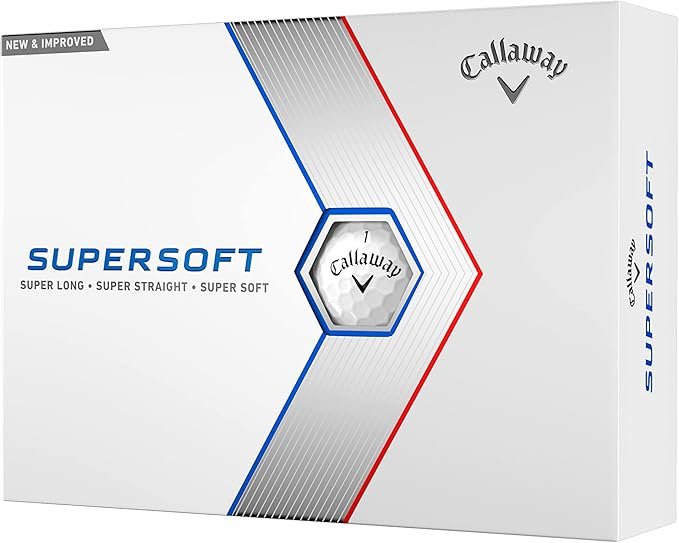
Choose the Callaway Supersoft if you have a driver swing speed below 90mph, want maximum distance at slower speeds, prefer a very soft feel, lose balls frequently and need better value, or struggle to get the ball airborne.
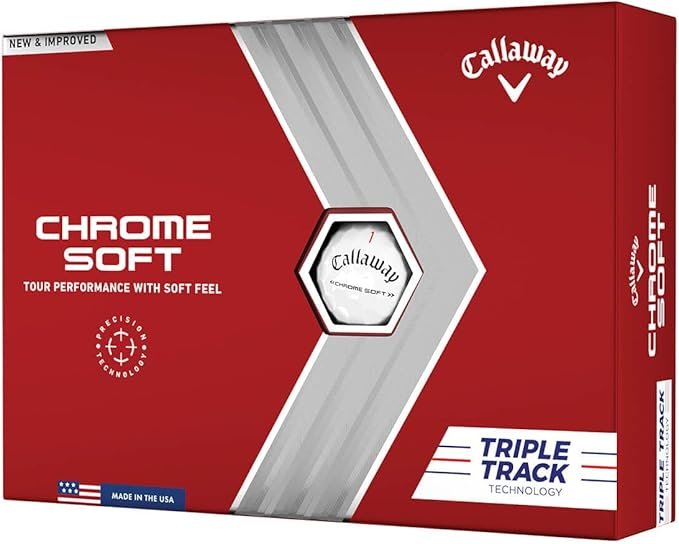
Choose the Callaway Chrome Soft if you have a driver swing speed above 90mph, need more spin and control around greens, want better feedback on all shots, play on firm courses where stopping power matters, or prioritize premium performance over price.
Neither ball is objectively better. They serve different players with different needs. The Supersoft delivers impressive performance at half the price of the Chrome Soft. The Chrome Soft provides Tour-level spin and control for players who can use it.
Testing both balls will give you the best answer for your game. Many players find the Supersoft meets their needs at a better price point. Others prefer the Chrome Soft’s premium feel and control. Your swing speed and skill level should guide your decision more than any other factor.
Frequently Asked Questions
What is the main difference between Chrome Soft and Supersoft construction?
The Chrome Soft uses 3-piece construction with a urethane cover, while the Supersoft uses 2-piece construction with a hybrid cover. The Chrome Soft has 81 compression and the Supersoft has 41 compression. This construction difference creates the performance gap between the balls, particularly in spin rates and feel around the greens.
Which ball goes farther for average golfers?
The Supersoft typically travels farther for players with swing speeds below 90mph. Testing shows the Supersoft carries about one yard farther with a driver at 93mph swing speed and about two yards farther with a 7-iron. The lower spin also creates more roll after landing, adding to total distance. Players with faster swing speeds may see different results.
Does the Chrome Soft really spin more than the Supersoft around greens?
The spin difference is smaller than expected on short shots. The Chrome Soft produces 5,518 rpm on 40-yard pitches while the Supersoft generates 5,500 rpm. The real difference appears with iron shots, where the Chrome Soft spins at 4,356 rpm and the Supersoft at 3,881 rpm with a 7-iron. This affects how balls land and stop on greens.
Is the Supersoft too soft for faster swing speeds?
Players with swing speeds above 95mph often find the Supersoft too soft. The 41 compression rating means faster swingers can over-compress the ball, losing distance and control. The Supersoft works best for swing speeds below 90mph. Faster swingers should choose the Chrome Soft or look at even firmer options like the Chrome Tour models.
Which ball offers better value for money?
The Supersoft provides better value at roughly $25 per dozen versus $42 for the Chrome Soft. The Supersoft also lasts longer due to its more durable hybrid cover. For players who lose balls regularly or play on a budget, the Supersoft makes financial sense. The Chrome Soft justifies its higher price only if you can use its spin and control benefits.