

Comparison Table
| Feature | Titleist Pro V1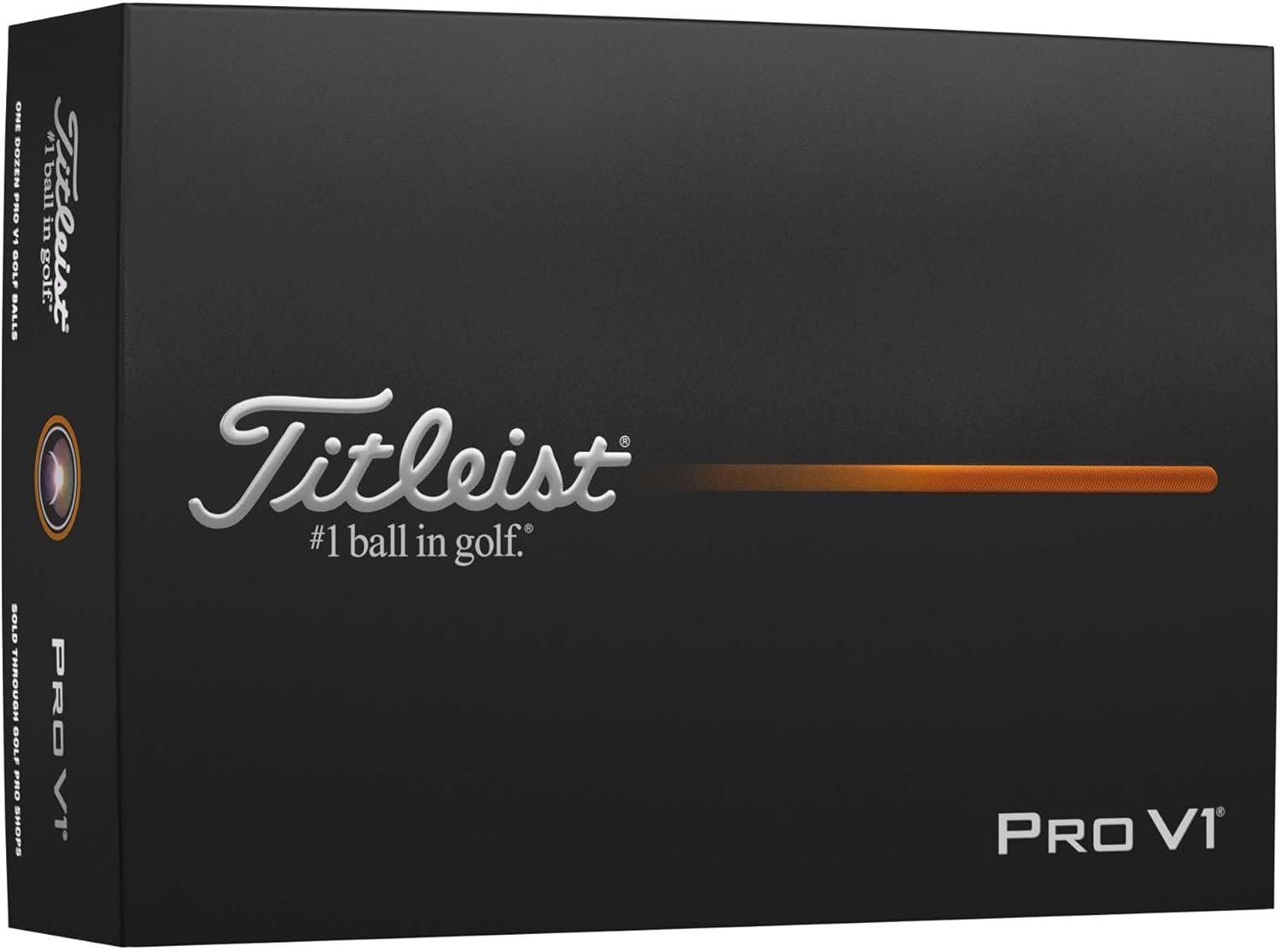 VIEW PRICE ON AMAZON |
Titleist Velocity VIEW PRICE ON AMAZON |
|---|---|---|
| Construction & Design | Optimized for penetrating flight and high spin on approach shots. | Designed for high launch and low spin. |
| Distance Off the Tee | Slightly shorter but offers more control and shot-shaping potential. | On average 10-12 yards longer with driver and about 5 yards longer with mid irons |
| Feel & Sound | Softer, muted feel at impact. | Firmer feel with a more audible “click.” |
| Short Game & Spin | Urethane cover generates higher spin and better stopping power on wedges, chips and pitches. | Lower greenside spin with more rollout on pitches and chips. |
| Durability & Price/Value | Premium tour-level pricing aimed at low handicappers. | Lower price per dozen, great value for players who lose more balls. |
Construction and Design Differences
The construction of a golf ball determines how it performs across all areas of your game. Understanding these differences helps you match a ball to your swing and skill level.
Core Components
- Titleist Velocity: Features a two-piece construction with a high-speed LSX core and NAZ+ ionomer cover. The design creates high initial velocity and low spin off the tee.
- Titleist Pro V1: Uses a three-piece construction with a soft urethane cover. This setup generates more spin on approach shots and around the greens.
- Compression levels: Velocity sits at mid-compression (85) while Pro V1 runs higher (90). The difference affects feel and performance for different swing speeds.
- Dimple patterns: Velocity employs 350 octahedral dimples for a high launch trajectory. Pro V1 uses a different pattern optimized for penetrating ball flight.
Distance remains a top priority for most golfers. Testing on actual course conditions shows clear differences between these two balls when hit with a driver and mid irons.
Driver Results
- Velocity advantage: Field testing showed the Velocity traveled 10 to 12 yards further with driver on well-struck shots. The lower spin rate helps maintain distance even on less-than-perfect contact.
- Launch characteristics: The Velocity produces a higher ball flight off the tee, which adds carry distance for players with moderate swing speeds.
- Pro V1 performance: While shorter off the tee, the Pro V1 offers more shot-shaping control. Players who work the ball intentionally benefit from the additional spin.
- Mid-iron distance: Testing revealed the Velocity gained about 5 yards with mid irons compared to Pro V1. The distance gap narrows with shorter clubs.
The distance advantage of Velocity comes from reduced spin throughout the bag. This benefit matters most to high handicappers and players with slower swing speeds who struggle to generate enough launch.
Feel and Sound at Impact
Feel affects confidence and enjoyment during a round. The materials used in each ball create distinctly different sensations at impact.
Contact Characteristics
- Velocity feel: Produces a firmer sensation at impact with a more pronounced clicking sound. Some testers compared it to older distance balls like Pinnacle.
- Pro V1 feel: Offers a softer, more muted response. The urethane cover absorbs impact better and feels less harsh on mishits.
- Putting feedback: The Pro V1 provides better feedback on the putter face. Golfers report more confidence reading speed and distance with the softer cover.
- Short iron shots: Around the green, the Pro V1 feels noticeably softer and more responsive. The Velocity maintains its firm character even on delicate shots.
Personal preference plays a significant role in feel. Players who grew up with urethane-covered balls often prefer the Pro V1, while those accustomed to ionomer covers may not notice a significant difference.
Accuracy and Shot Shaping
Hitting fairways and greens determines scoring ability more than raw distance. These balls behave differently when you need to curve shots or hold a target line.
Flight Patterns
- Straight ball flight: The Velocity produces a straighter trajectory with less curve on mishits. This forgiveness helps average golfers avoid trouble.
- Shot shaping capability: Testing confirmed the Pro V1 responds better to intentional fades and draws. The higher spin rate allows skilled players to work the ball both ways.
- Wind performance: The Pro V1 cuts through wind better due to its lower flight and higher spin. The Velocity can balloon in strong headwinds.
- Consistency: Both balls landed in similar patterns when struck properly. The main difference appears in how they react to swing flaws rather than perfect contact.
Short Game and Greenside Control
Scoring happens around the greens. The cover material and spin characteristics create the most noticeable performance gap between these two balls in this area.
Stopping Power
- Pro V1 advantage: The urethane cover grabs the grooves on wedges and short irons. This generates more spin and stopping power on approach shots.
- Velocity rollout: Testing from 10 feet off the green showed the Velocity rolling significantly further than the Pro V1 on pitch shots. The ionomer cover slides through impact with less friction.
- Spin generation: Better players notice the spin difference immediately. Average golfers may not generate enough clubhead speed to maximize the Pro V1’s potential.
- Pitch and chip shots: The Pro V1 offers better distance control on delicate shots. The Velocity requires more adjustment to account for additional rollout.
The short game difference matters most to single-digit handicappers who rely on spin to hold greens and control distance. Higher handicappers often lack the swing speed and strike quality to take full advantage of urethane covers.
Durability and Longevity
Golf balls take significant abuse during a round. The cover material determines how well a ball holds up to repeated strikes and environmental conditions.
Wear Resistance
- Velocity durability: The ionomer cover resists cuts and scuffs better than urethane. The ball maintains its appearance longer, especially when hitting from rough or cart paths.
- Pro V1 wear patterns: Urethane covers show marks more readily. Wedge shots leave visible spin marks after just a few holes of play.
- Performance degradation: Both balls maintain their performance characteristics through a full round. The Pro V1 may look more worn but still performs consistently.
- Value consideration: The Velocity’s durability extends its useful life, which partially offsets the lower price point difference.
Price and Value Comparison
Cost affects which ball makes sense for your game and budget. The price difference between these models reflects their target markets and construction complexity.
Cost Analysis
- Pro V1 pricing: Sells as a premium tour ball at the highest price point in the Titleist lineup. The cost reflects the multi-layer construction and urethane cover.
- Velocity pricing: Positioned as a value option that costs significantly less per dozen. This makes it accessible for players who lose balls frequently.
- Performance per dollar: High handicappers gain more value from the Velocity because they cannot fully utilize Pro V1 technology. Low handicappers justify the Pro V1 cost through improved scoring.
- Custom options: The Velocity’s smooth cover accepts personalization well, making it popular for corporate events and tournaments where custom printing matters.
Which Ball Fits Your Game
Selecting between these balls depends on your skill level, swing speed, and priorities on the course. This section breaks down the decision by player type.
Player Profiles
- High handicappers (15+): The Velocity provides more distance, straighter flight, and forgiveness on mishits. The firm feel and reduced short game spin matter less when you’re still developing consistency.
- Mid handicappers (8-15): Either ball works depending on your priorities. Choose Velocity if distance is your main concern. Pick Pro V1 if you’re developing shot-making skills and short game touch.
- Low handicappers (0-7): The Pro V1 offers the control and spin needed for competitive play. The ability to work shots and stop approach shots outweighs any distance advantage from the Velocity.
- Moderate swing speeds: Players who struggle to reach par 4s in regulation benefit most from the Velocity’s higher launch and lower spin characteristics.
Test both balls if possible before committing to a dozen. Pay attention to which ball gives you more confidence and helps you score better, not just which one feels or sounds different.
Comparing to Other Titleist Options
Titleist offers several other models that bridge the gap between Velocity and Pro V1. Understanding where these alternatives fit helps you make a fully informed decision.
Alternative Models
- Titleist Tour Soft: Sits between Velocity and Pro V1 in both price and performance. Offers a softer feel than Velocity with moderate greenside spin.
- Titleist TruFeel: The softest compression ball in the lineup. Prioritizes feel over distance, making it ideal for players with very slow swing speeds.
- Titleist Pro V1x: A four-piece ball with higher trajectory and more spin than Pro V1. Suits players who want maximum launch and don’t mind a firmer feel.
- Titleist AVX: Combines some Pro V1 control with lower spin for more distance. Works well for players transitioning from distance balls to tour performance.
Frequently Asked Questions
How much longer does the Velocity go compared to Pro V1?
Field testing shows the Velocity gains approximately 10-12 yards with driver and 5 yards with mid irons when both balls are struck properly. The difference comes from lower spin throughout the bag. Players with slower swing speeds may see larger gaps, while players with tour-level speed might notice less difference. The distance advantage decreases with shorter clubs where spin matters more for optimal flight.
Can average golfers generate enough spin with Pro V1 to justify the cost?
Most high handicappers cannot produce the clubhead speed and strike quality needed to maximize Pro V1 performance. The urethane cover requires precise contact and faster swings to generate its full spin potential. Players who shoot above 90 typically benefit more from the Velocity’s forgiveness and distance. Once you consistently break 85, the Pro V1’s short game control becomes more valuable than extra yardage off the tee.
Which ball works better for players with slower swing speeds?
The Velocity suits slower swing speeds better due to its lower compression core and design optimized for launch. The ball gets airborne more easily and maintains distance even without high clubhead speed. The Pro V1 requires more speed to compress properly and achieve its intended flight characteristics. Players who struggle to carry the ball 200 yards with driver gain more from the Velocity’s construction.
Does the Velocity’s firm feel affect putting performance?
The firmer cover does provide less feedback on the putter face compared to Pro V1. Many golfers report feeling more confident with the softer urethane cover when judging speed and reading breaks. However, actual putting performance depends more on your stroke than the ball. Some players prefer the firmer response and find it more consistent. Testing both on the practice green helps determine your preference.
How does wet weather affect the performance difference between these balls?
The Pro V1’s urethane cover absorbs more water than the Velocity’s ionomer cover, which can slightly reduce spin in wet conditions. However, both balls maintain their core performance characteristics in rain. The Velocity may offer a small advantage in heavy rain because the firmer cover sheds water more effectively. The difference is minimal for most golfers, and proper club selection matters more than ball choice in wet weather.
style=”width:200px;”